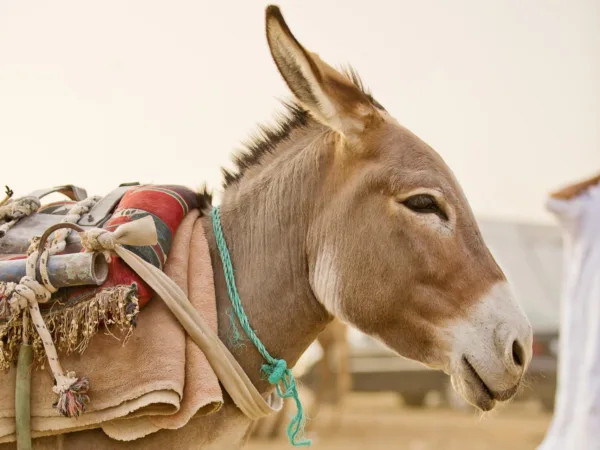
Working animals have a vital role throughout Mauritania. In this Saharan country, there are severe shortages of water, and donkeys are often relied upon to deliver water to households. This even includes the capital, Nouakchott, where there is no piped water supply in some of the city’s poorest neighbourhoods. Day-to-day life in the city, and in many rural areas, literally depends on these animals.
Mauritania at a glance
- Population: 4.736 million
- Area: 1,030,000 square km
- Location: West Africa
- Capital city: Nouakchott
- Number of working animals treated in 2024: 83,212
Our work in Mauritania
We have three Working Animals International centres in the country – in Nouakchott, Rosso, and Boghé. In addition, we run three mobile veterinary clinics that help animals in more remote locations. Thanks to your support, our small but dedicated team provides vital veterinary treatment to tens of thousands of working animals every year.
Our team also delivers formal veterinary and education training to veterinary professionals, including through our clinical skills centre in the country, as well as advice and training in animal welfare to the owners of working animals.
In addition, our schools education programme teaches children about animal welfare. Children from Nouakchott visit the centre six times a year to participate in animal welfare lessons alongside a mobile classroom. Through a partnership with the Ministry of Education, the Ministry of Environment, the UNDP (United Nations Development Programme) and the German Development Corporation, Working Animals International is also teaching students of the ‘Green Schools’ project about the need for good animal welfare as part of protecting the environment. This will reach approximately 60 schools in Mauritania.
We’re also there for working animals and their owners when emergencies strike. During the global coronavirus (Covid-19) pandemic, working animals in desperate need were able to receive feed, water, shelter and emergency care through our lifesaving emergency feeding programme.
In 2022, SPANA’s (now Working Animals International) contribution to animal welfare in Mauritania was recognised with the opening of SPANA Road (Rue du SPANA) near our Nouakchott centre.
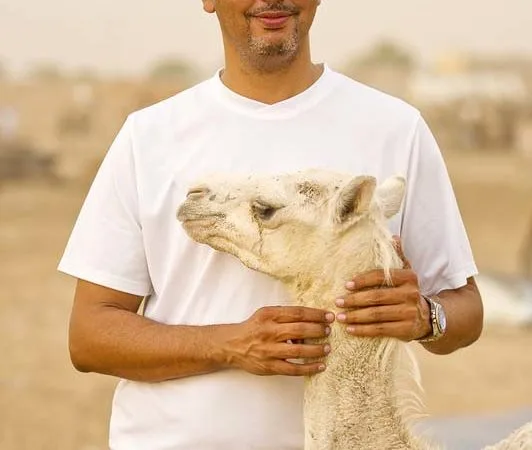
Q&A with Bebaha Hmeiditt, Mauritania Country Director at Working Animals International
What are the main problems facing working animals in Mauritania?
Mauritania is a very poor country, and working animals continue to be the main means of transport in urban and rural areas. However, the extreme poverty of many owners means animals often do not receive the care or food they need. They face many problems, such as lameness, malnutrition, infections, wounds, parasites, road accidents and poor farriery. This is why Working Animals International’s services are absolutely necessary.
How did the Covid-19 pandemic affect working animals?
Following a year of drought in 2019, Mauritania and the country’s working animals were hit hard by the pandemic. A lack of work for owners and animals – due to curfews restricting travel and low agricultural activity – made it very difficult for many owners to pay for food for their families and their animals. Working Animals International (formerly SPANA) distributed emergency feed to animals across Mauritania and provided essential veterinary care. The situation has improved, but there is still a great deal of suffering and our team is extremely busy.
What are you most proud of?
In 20 years of working for Working Animals International, my greatest pride has always been to see injured and malnourished animals arrive, and for them to come out healed and well. Their owners are often destitute and they are grateful and relieved to receive this help. Our greatest achievement is to have persuaded the state, through the Ministry of National Education, to allow us to deliver humane education classes in schools, along with the training of teachers. Working Animals International has helped drive a change in attitudes among young people and this programme is shaping their respectful behaviour towards animals for the long term.
Watch our supporter Ann Widdecombe talk about work in Mauritania
Other countries we work in
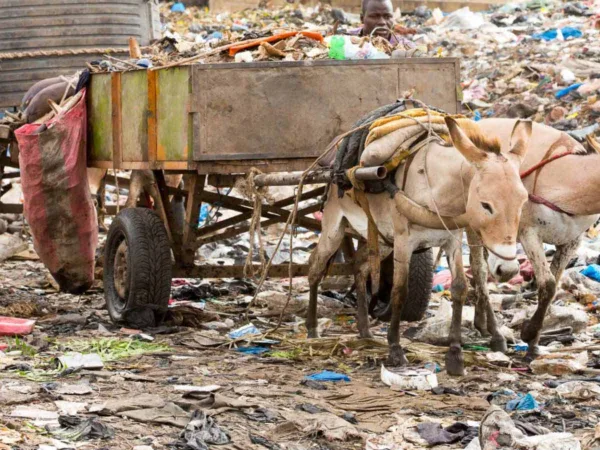
Helping working animals in Mali
Find out more about how Working Animals International helps working animals in Mali.
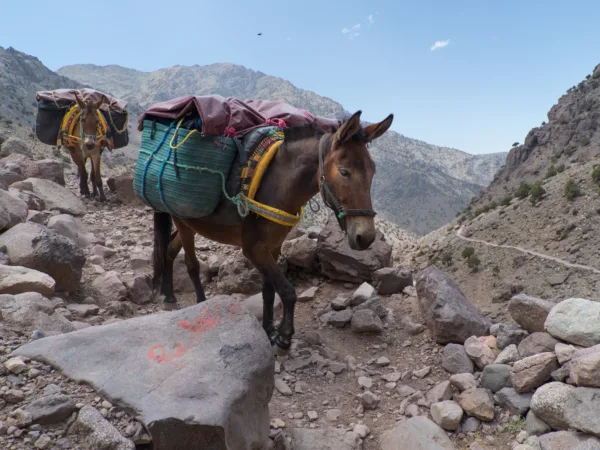
Helping working animals in Morocco
Find out more about how Working Animals International helps working animals in Morocco.
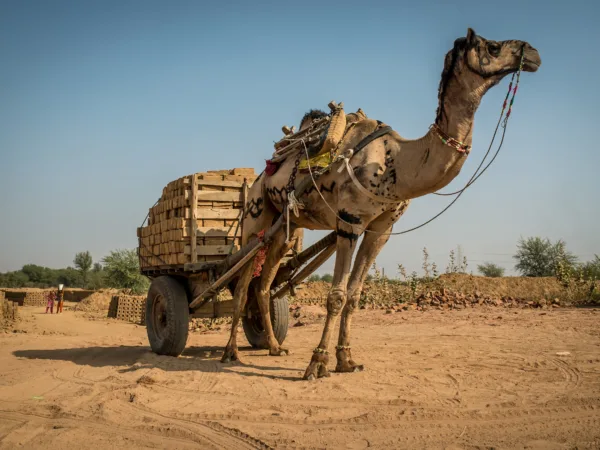
Helping working animals in India
Discover how Working Animals International is helping working animals across India.