Raising the profile of working animals at the Africa Animal Welfare Conference
 By Sam Whyte
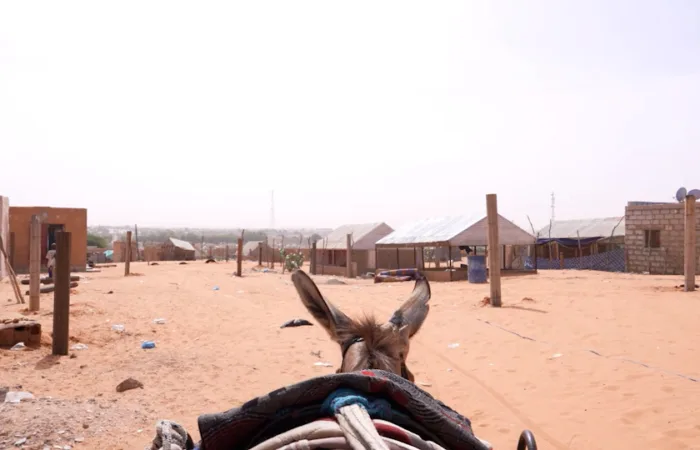
Working animals, such as donkeys, mules, horses, oxen and camels, sit at the intersection of animal health, human wellbeing and the environment, helping communities access water, transport goods, support agriculture and withstand increasingly severe climate shocks. Yet they often remain overlooked in the policies, data systems and investments that shape their future.
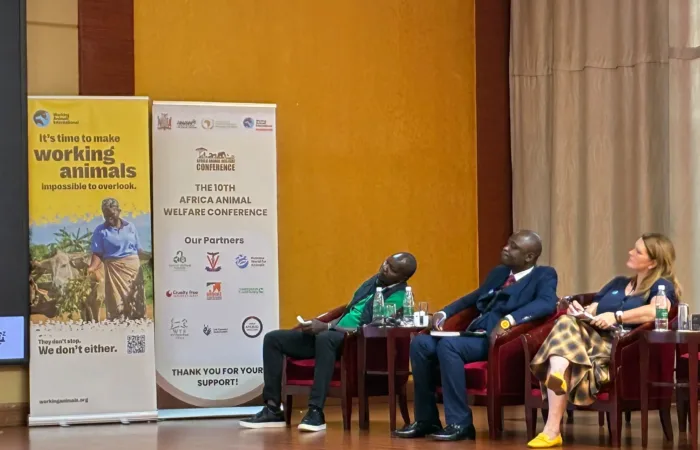
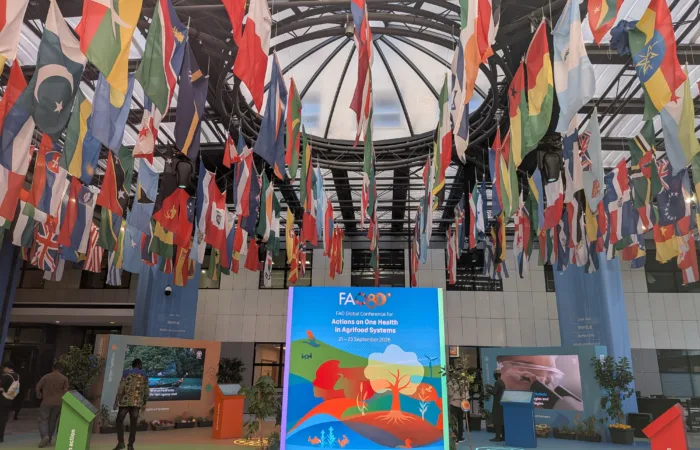
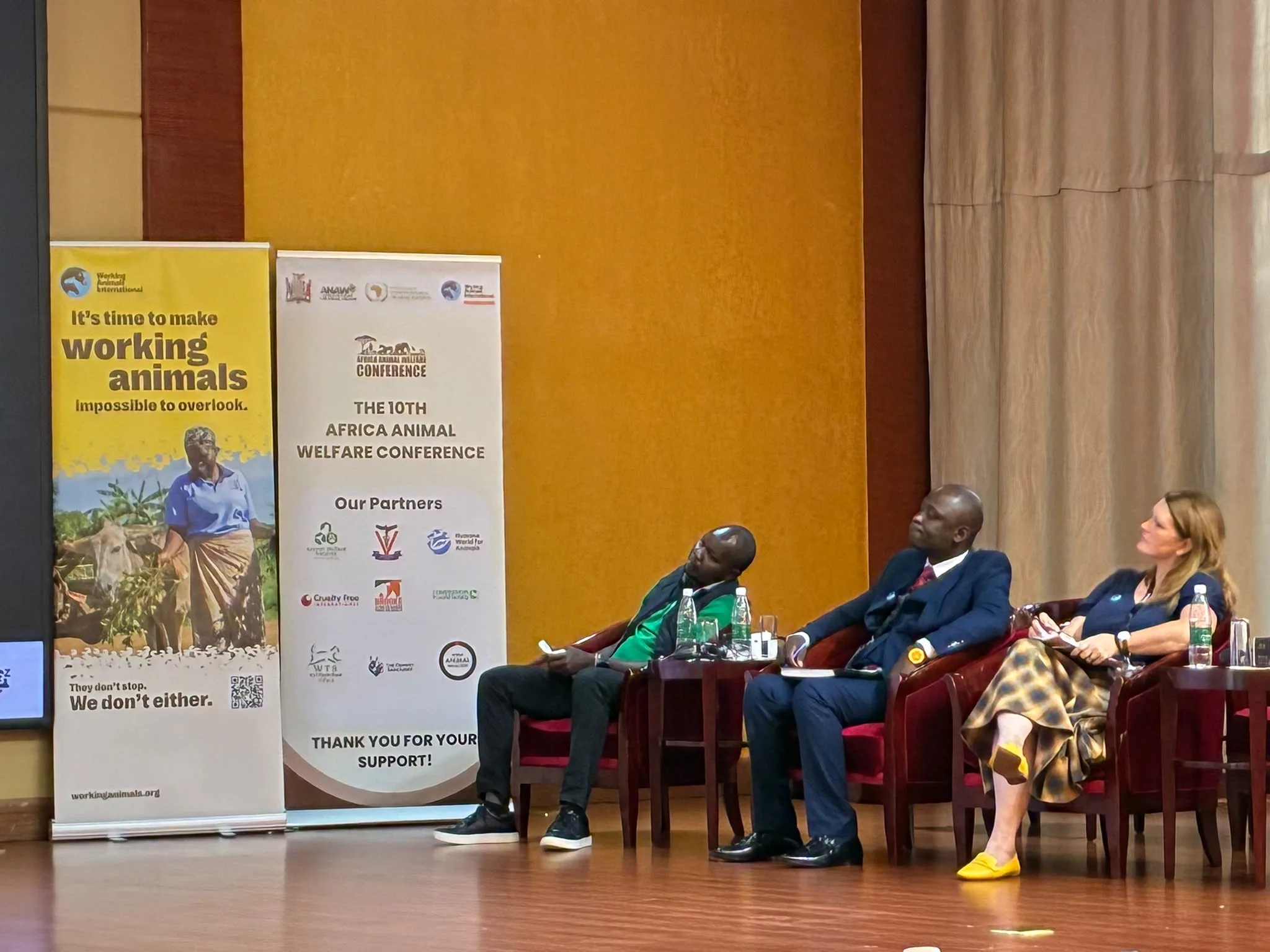
That is why it was an honour for Working Animals International to co-host the 10th Africa Animal Welfare Conference this year alongside the Africa Network for Animal Welfare, the African Union Inter-African Bureau for Animal Resources and the Government of Zambia. Under the theme ‘Dialogue to action: collaborative implementation for animal welfare, climate adaptation and sustainable development in Africa’, the event brought together governments, researchers, civil society organisations, veterinary professionals and African institutions committed to advancing animal welfare across the continent. As co-hosts, we had a valuable opportunity to raise the profile of working animals within those wider discussions.
Across three days of discussion, delegates shared countless examples of progress, from strengthening legislation and veterinary capacity, to wildlife conservation initiatives and innovative research, to engaging with communities and centring animal welfare in climate resilience efforts. A clear message emerged: animal welfare is increasingly recognised not only as a standalone issue, but as an essential component of wider systems change to support healthier communities, stronger livelihoods and sustainable development. Africa is shaping its own animal welfare agenda through collaboration and leadership.
Impossible to overlook
A personal highlight from this year’s event was hosting our plenary session, ‘Impossible to overlook? Counting working animals for climate resilience and sustainable development’. Together with programme partners from Zimbabwe, Kenya and Ethiopia, we explored a simple but important question: how can working animal welfare be protected if, in the eyes of our systems, working animals are invisible?
Drawing on insights from our ‘Count every one’ report, climate resilience programmes and drought intervention work, we charted how the absence of working animals from national census and livestock data systems compromises welfare and limits the ability of governments to plan services, target investment and build climate resilience.
The session highlighted the power of locally led partnerships in helping communities and working animals adapt to a changing climate. Dr Erick Mutizhe of the AWARE Trust shared lessons from Zimbabwe, where collaboration between communities, local stakeholders and veterinary services is improving access to water for working animals, promoting drought-tolerant feed crops and supporting sustainable rangelands management.
From Kenya, Josphat Ekuam of Utunzi Africa emphasised that emergency responses must recognise that the welfare of working animals and the livelihoods of the families that depend on them are closely linked. He demonstrated the importance of combining practical measures such as feed support and outreach to remote communities with training in managing water access to strengthen local capacities. As he reflected, drought responses that protect livestock while overlooking working donkeys and camels leave critical livelihood and resilience assets at risk.
Another encouraging example came from Dr Hika Waktole Ayana, Dean of the College of Veterinary Medicine and Agriculture at Addis Ababa University, who shared Ethiopia’s progress through its new Animal Health and Welfare Proclamation in bringing working animals into policy discussions, practice regulations and national planning. He showed what becomes possible when governments, universities, civil society organisations and practitioners work towards a shared vision for animal health and welfare.
Beyond the conference hall, valuable conversations with researchers, policymakers, veterinary leaders and advocates reinforced the growing momentum behind the pan-African animal welfare movement and offered new opportunities for collaboration.
From dialogue to action
The conference theme challenged delegates to move from dialogue to action.
For working animals, the next step is clear: strengthen national data systems so that working animals are counted in livestock censuses and public health and population surveys.
Counting animals may sound like a technical issue and a question for statisticians. But at its heart it is an animal welfare issue.
The value of counting working animals comes when visibility leads to action. When data changes where veterinary services are available. When it results in stronger drought preparedness and helps identify gaps in professional and paraprofessional training and workforce capacity. And when working animals are included in emergency, climate and development planning.
Working animals are not a footnote in Africa’s development story. Every day they help communities carry water, transport goods, support food production and adapt to a changing climate. Our experience tells us that protecting their welfare cannot be separated from community resilience and sustainable development.
Indeed, the two go hand in hand.
Read our Count every one report to find out more