HLPF 2026: Not there yet. Why we must ensure working animals are part of the sustainable development conversation
 By Sam Whyte
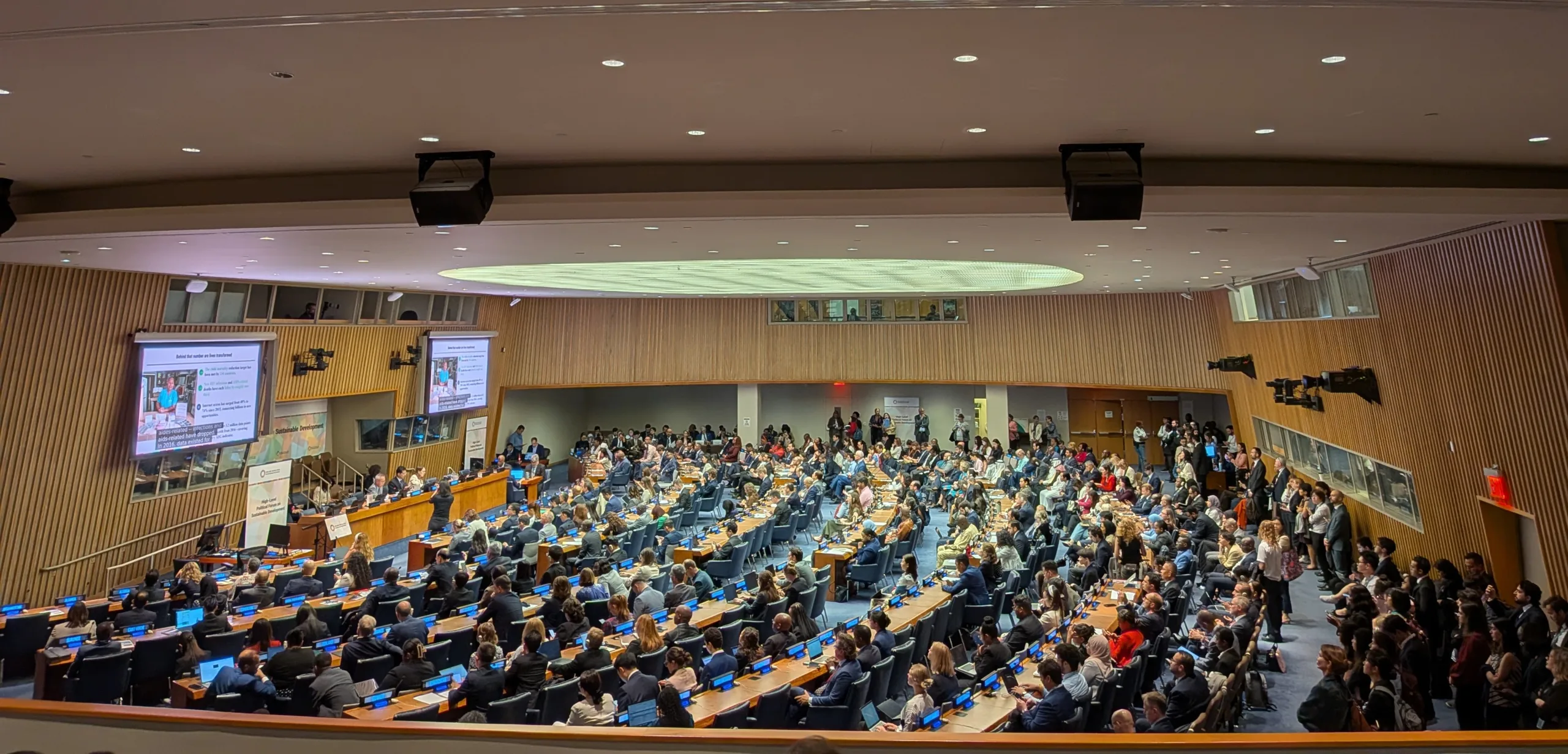
With less than five years remaining to achieve the Sustainable Development Goals (SDGs), the message from 2026’s UN High-Level Political Forum (HLPF) earlier this month was clear: progress is too slow and acceleration is urgently needed.
The 2026 focus for the HLPF on goals for clean water and sanitation (SDG 6), industry, infrastructure and innovation (SDG 9), sustainable cities and communities (SDG 11), and partnerships (SDG 17), offered an important opportunity to share a simple but critical message with governments worldwide: that development efforts are stronger when they recognise and support the animals who help make them possible.
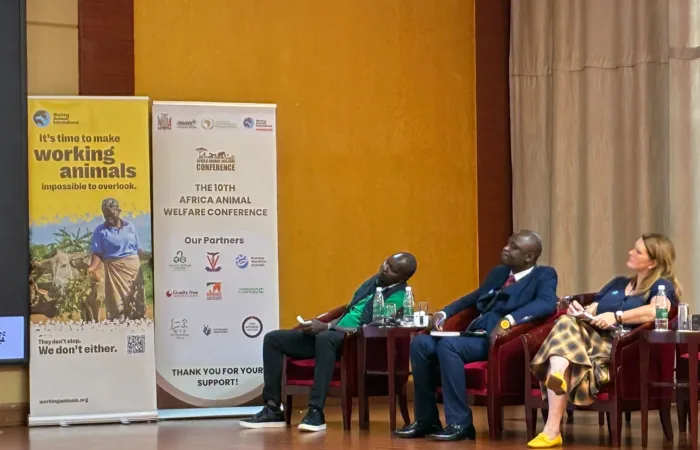
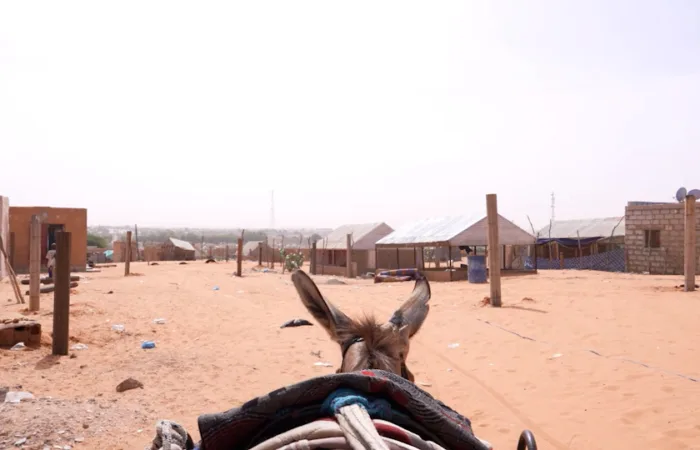
Together with our partners in the World Federation for Animals, we highlighted the role of working animals in transporting water, supporting sanitation systems and helping communities access essential resources, particularly in contexts where infrastructure is limited or climate pressures are increasing.
We emphasised the importance of strong animal welfare systems in rural and urban infrastructure, with healthy working animals able to support transport, market access, food security and economic resilience.
We challenged assumptions that working animal welfare is only relevant for rural and remote communities, demonstrating the vital contributions working animals make to waste management, water delivery, transport and disaster response in urban areas. We highlighted the reality that, in many countries, local planning that ignores the needs of working animals risks undermining not only animal welfare but also human wellbeing.
We were also pleased to join other organisations in submitting recommendations to the UN HLPF, highlighting the role of the SDGs in ensuring ‘healthy, safe, flourishing lives for humans, animals and the planet’. The recommendations explicitly drew attention to the importance of working animal welfare to water access and security, and the need for robust animal welfare systems and humane animal management in urban spaces as fundamental foundations for achieving resilient and sustainable communities.
The HLPF concluded with a Ministerial Declaration that calls for ‘transformative, equitable, innovative and co-ordinated action’ to accelerate progress towards the 2030 Agenda. Yet while governments acknowledged the interconnected nature of sustainable development challenges and the need for integrated solutions, working animals nonetheless remained largely invisible in the final political outcome.
The HLPF reaffirmed that progress is possible but not inevitable.
If governments are serious about accelerating progress and finding effective solutions to development challenges, they must both understand and support all the systems that enable sustainable development, including those that protect the welfare of working animals. Working animals are already contributing to such solutions every day, playing key roles in supporting water access, transport, livelihoods, food systems and community resilience in countless communities.
We now need to see governments recognising that by fully embedding working animal welfare into national sustainable development strategies, urban resilience planning, agriculture and livestock plans, and overarching data systems.
For Working Animals International, our task is clear. We will continue working with our local and global partners, development actors and governments to make the case that sustainable development works better when working animals are valued and included.