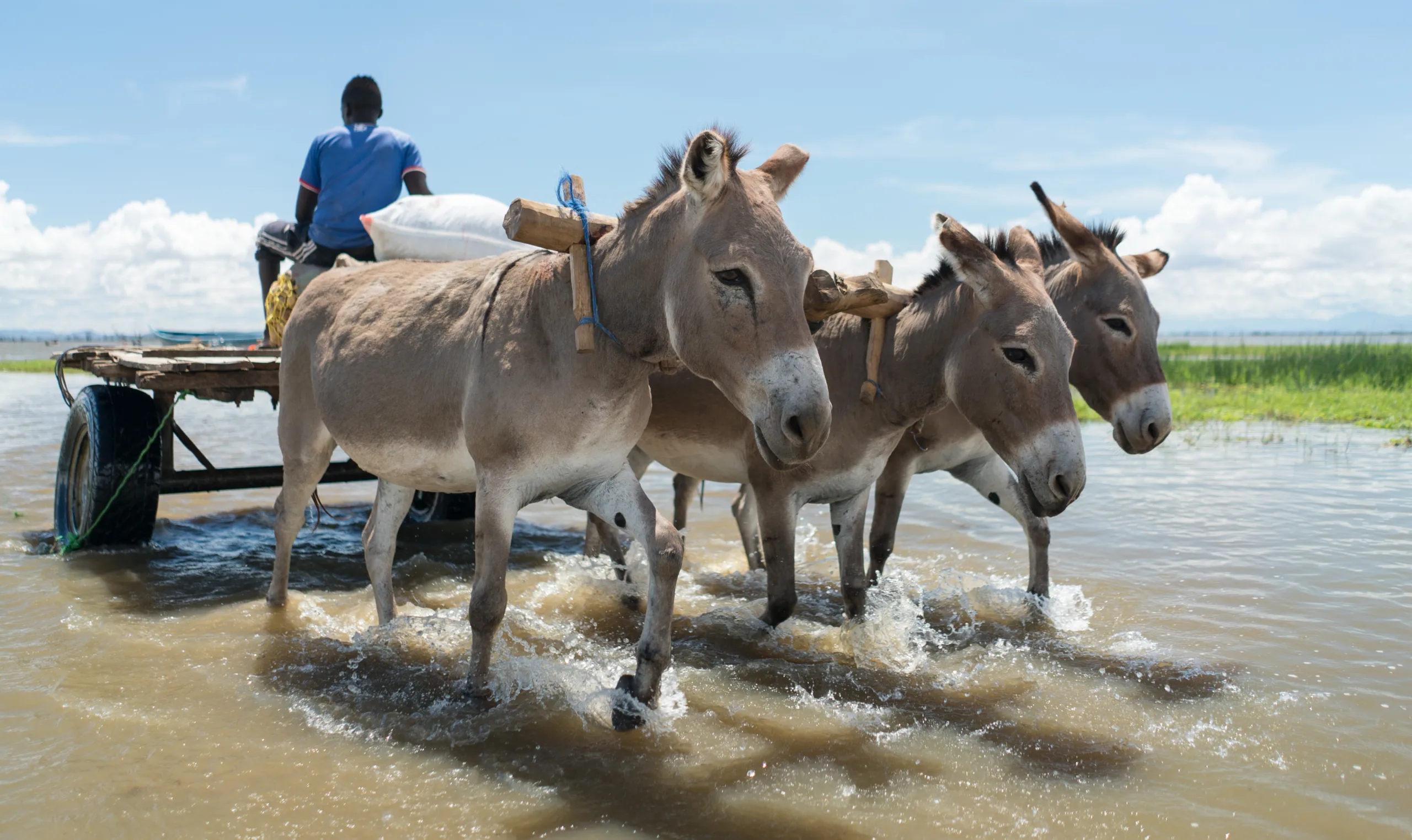
Helping working animals in Tanzania
Helping working animals in Tanzania
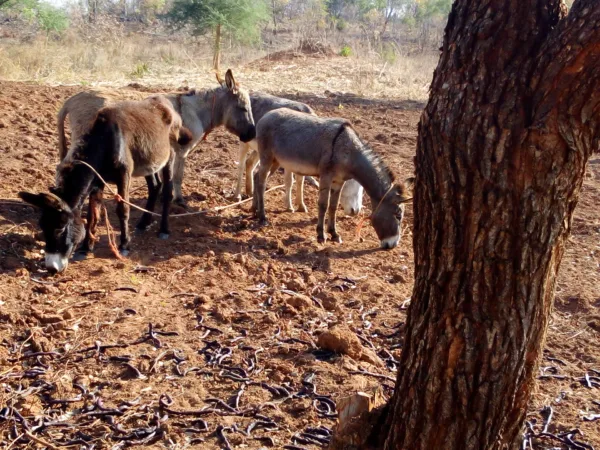
Working animals have a vital role in Tanzania. Donkeys are used by many families in rural communities to transport goods, act as taxis and help with agricultural work. In such a vast country, it can be difficult to access veterinary care. Many working animals wouldn’t receive treatment without Working Animals International’s free mobile veterinary clinics.
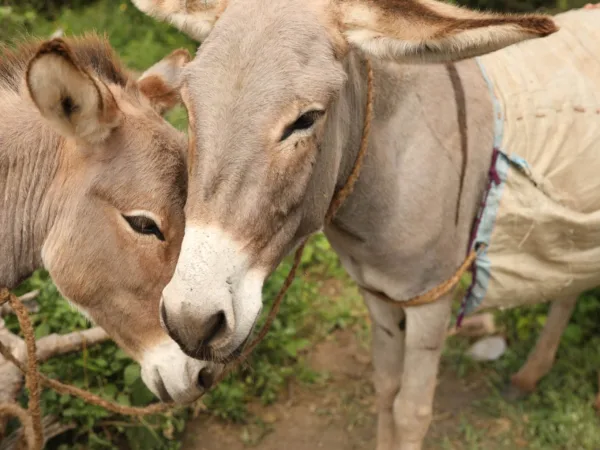
Tanzania at a glance
- Population: 65.5 million
- Area: 945,087 square km
- Location: East Africa
- Capital city: Dodoma
- Number of working animals treated in 2024: 25,706
Our work in Tanzania
In Tanzania, we run three mobile clinics so that our vets can treat working animals in remote, rural villages. Common conditions seen by our vets include wounds, parasites, colic, lameness, tetanus and rabies.
Through community training for animal owners, we aim to improve knowledge of equine care, as well as support the development of more humane attitudes towards working animals.
Our education programme teaches children about the needs and welfare of animals. The programme trains teachers and reaches children in schools across the country.
In Tanzania, we are also working to stop the global trade in donkey skins for use in traditional medicine. We educate Maasai tribespeople in how to protect and secure their animals – working with them to build corrals to keep donkeys safe. We also supported the closure of a donkey abattoir in Shinyanga in August 2021.
Other countries we work in
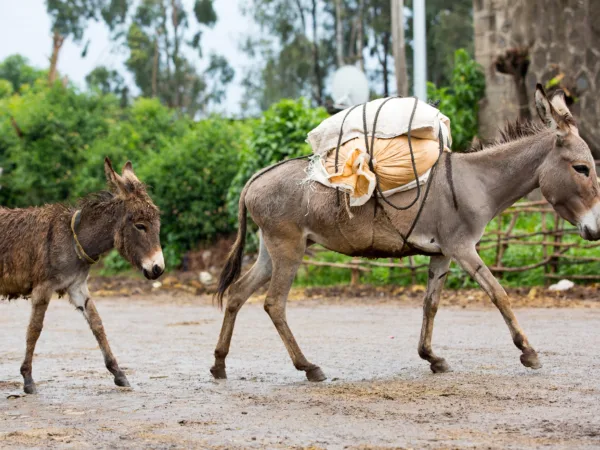
Helping working animals in Ethiopia
Find out more about how Working Animals International helps working animals in Ethiopia.
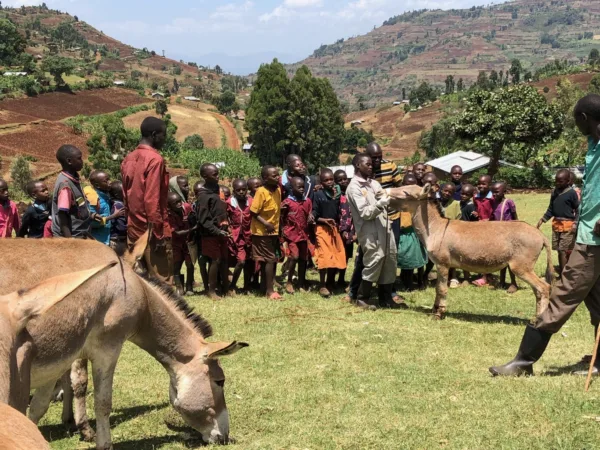
Helping working animals in Uganda
Find out more about how Working Animals International helps working animals in Uganda.
Helping working animals in Zambia
Find out more about how Working Animals International helps working animals in Zambia.