Tenth International Working Animal Day highlights overlooked welfare of working animals
 By Ally McLaren
15 June 2026: Today marks the tenth anniversary of International Working Animal Day, a day dedicated to recognising the essential yet often overlooked contribution of working animals to communities worldwide.
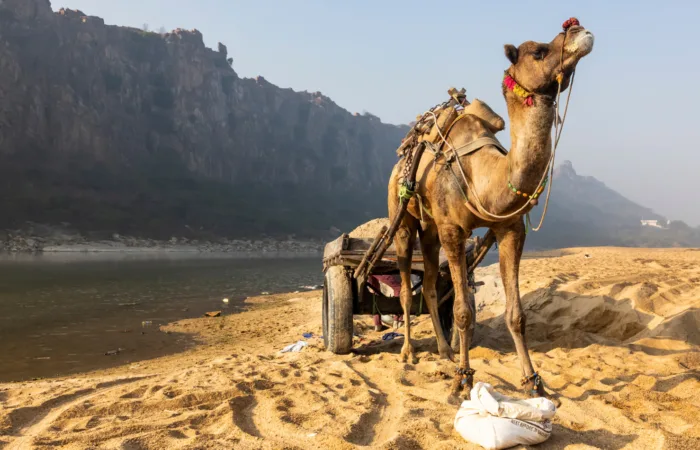
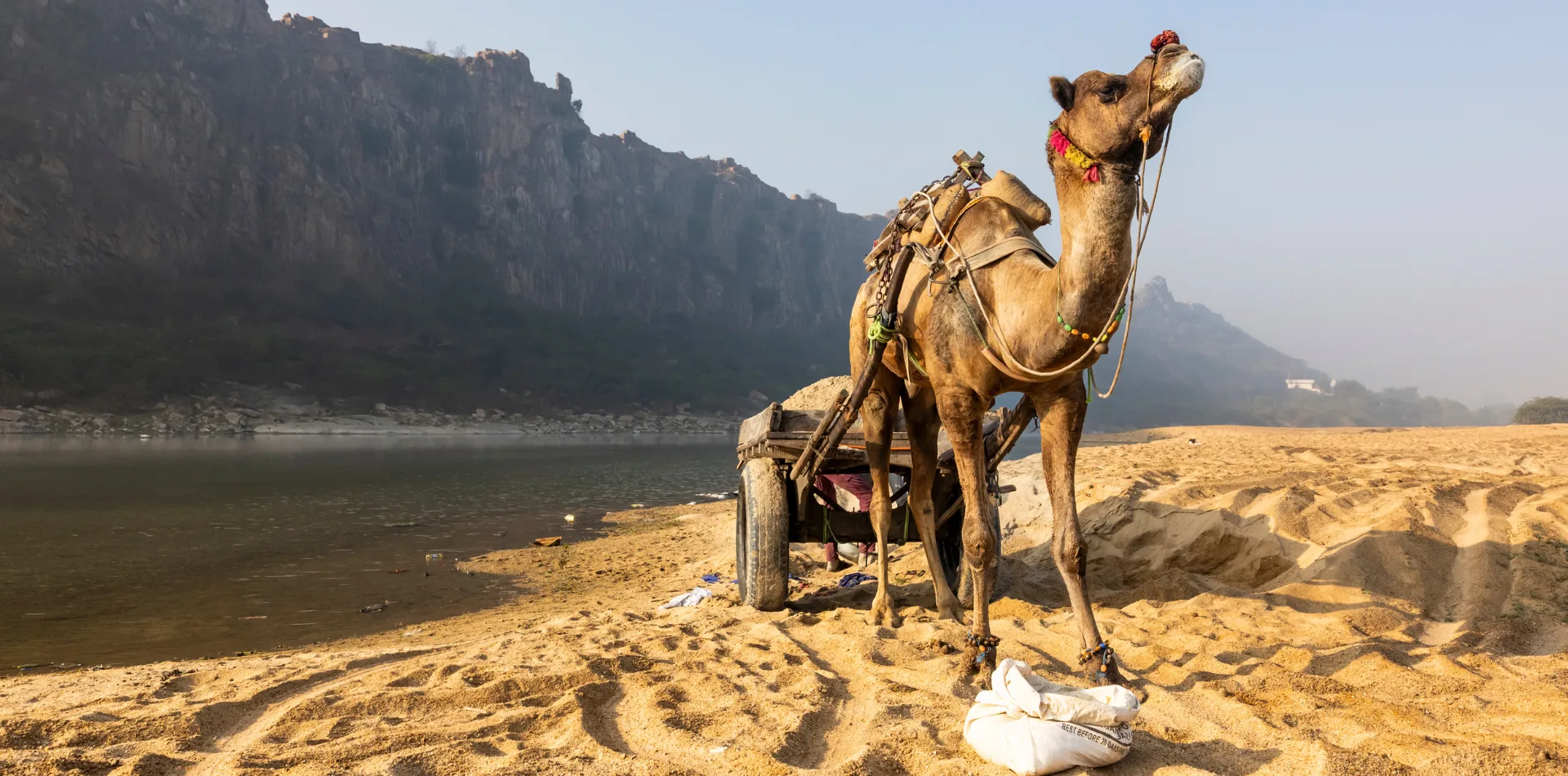
Working Animals International founded the day in 2016 to shine a spotlight on the role of working donkeys, horses, mules, camels, oxen and other animals in helping millions of people earn a living, access food and water and reach hospitals and schools.
Patience, a donkey owner from the Chivi district in southern Zimbabwe, has experienced first-hand how working animals can provide access to healthcare. She said:
“When I was ready to give birth, I took the donkey cart and went all the way to the hospital. If someone is sick or injured, we can use the donkeys to get to the hospital.”
There are an estimated 200 million working horses, donkeys and mules globally, and no figures for working animals more broadly (1). Working animals support countless people, yet their critical role is often unrecognised. During crises such as droughts, floods and other climate-related disasters, these animals are often among the last to receive help.
There is also a lack of awareness of their importance in the UK. A recent poll commissioned by Working Animals International found that more than half (54 per cent) believe the contribution of working animals is often overlooked (2).
Working animals are also often absent from national data and decision-making, making it difficult to fully understand their contribution and address their welfare needs.
Linda Edwards, Chief Executive at Working Animals International, said:
“What gets counted gets valued. When working animals are missing from official records, their contribution is too often overlooked, and so is their welfare.
These animals are absolutely central to the lives and livelihoods of millions of people. If we want communities to thrive in the face of poverty, disaster and climate change, we must ensure that working animals are recognised, protected and included in plans that affect their future.”
Including working animals in national censuses is a simple but powerful way for governments to recognise their value and ensure they are considered in policy and planning (3).
Thanks to the advocacy work of Working Animals International, working animals were included in Mauritania’s national census for the first time in 2025.
Bebaha Hmeiditt, Country Director for Working Animals International’s programme in Mauritania, said:
“The inclusion of working animals in Mauritania’s national census is an important step forward. When working animals are counted, they are more likely to be recognised in decisions that affect them.”
Working Animals International supports working animals and the communities who depend on them through conflict, climate crises and natural disasters. The charity increases access to quality veterinary services, helps owners build the skills and knowledge to care for their animals, and campaigns for global policy change to create lasting improvements in animal welfare. The charity recently rebranded from SPANA to Working Animals International. The new name more clearly reflects its global mission to support working animals and the communities that depend on them.
ENDS
(2)Working Animals International, OnePoll survey, 2,000 respondents in UK (June 2026)
(3)Working Animals International (April 2026), Count every one: Making working animals impossible to overlook, Executive summary
Media contact
Ally McLaren, Communications and Media Officer, Ally.McLaren@workinganimals.org / +44 (0)20 7831 3999
Notes to Editor
About Working Animals International
For over a century, Working Animals International has been dedicated to transforming the lives of working animals and supporting the people who depend on them. We work with partners worldwide to increase access to essential veterinary care and campaign for better welfare standards. We support owners as they develop the knowledge and skills to look after their animals with confidence and care – while inspiring the next generation to do the same. Together, we’re building a world where working animals are healthy and valued, communities are stronger and livelihoods are more secure.