Count every one: Making working animals visible
 By Sam Whyte
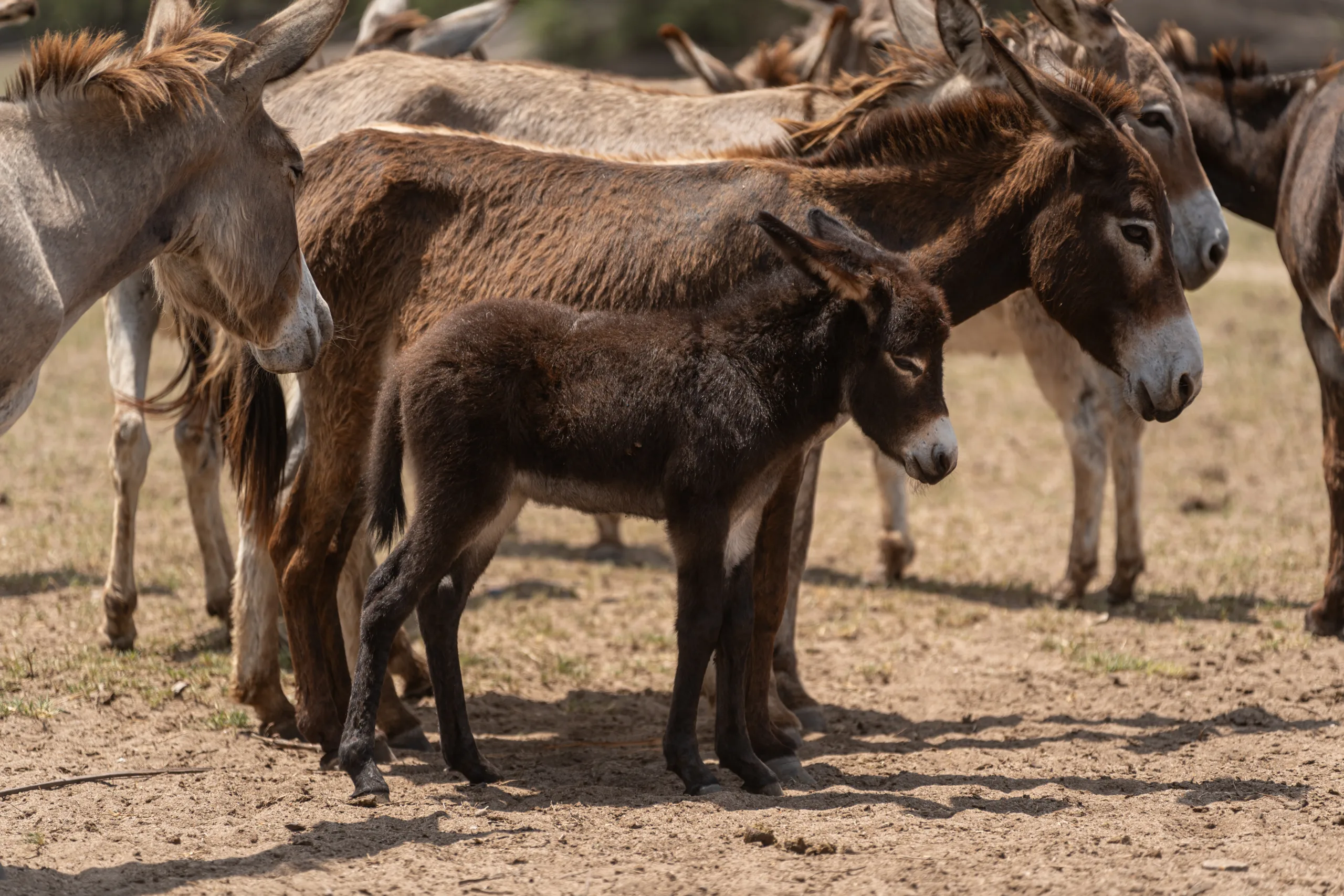
Across the world, working animals quietly sustain the daily lives of millions. They transport water and food, carry goods to market, support small farms and enable access to essential services. For many households, they’re not only animals but partners: central to people’s survival, income and wellbeing.
Yet, despite an estimated 200 million working animals globally, working animals are often invisible in government policymaking, in part because they live and work in remote and marginalised areas, where communities depend heavily on local knowledge rather than formal infrastructure; and, critically, because many governments only collect limited meaningful data about them.
Livestock censuses often focus on animals kept for meat or milk. Household surveys typically exclude working animals altogether. Definitions vary between countries, sectors and agencies; and data itself is often incomplete or inconsistent. This all combines to make it difficult for governments to understand the scale of working animal contributions and how best to meet their welfare needs.
The result is a policy blind spot. When working animals aren’t counted, they’re not considered. And when they’re not considered in national planning and policymaking, their welfare suffers and the communities who rely on them are overlooked too.
Without reliable data, decision-makers can’t see the vital contributions working animals make towards achieving the Sustainable Development Goals – a set of 17 global goals to improve people’s lives and protect the planet by 2030.
Decision-makers can’t see where donkeys reduce household burdens such as water collection to ensure girls can remain in school; where horses contribute to poverty reduction by driving and sustaining incomes, or enable access to essential health and education services; where working oxen play a role in sustainable food production; where working dogs protect wildlife; where mules deliver humanitarian aid; or where camels may require consideration in urban planning processes to avoid unnecessary injury.
Why visibility matters
Counting working animals isn’t just about understanding populations – it’s about recognising interdependent relationships. When working animals are visible in national data:
- Veterinary services can be strengthened, expanding access to essential care.
- Women and girls can be better supported, by allowing recognition of the role of working animals in releasing household burdens and supporting economic independence
- Disaster planning becomes more effective, understanding that working animals are critical to emergency response, recovery, and long-term resilience
- Exploitation becomes easier to detect, enabling better monitoring of cross-border threats such as the global trade in donkey skins
- Disease surveillance and tracking is strengthened, enabling early detection and control
- The end-to-end systems supporting livelihoods are clearer, enabling investment in rural and urban infrastructure
A call to action
One simple, powerful action can shift working animals from overlooked to indispensable within national planning and policymaking: for governments to explicitly include working animals in their national censuses.
This is why Working Animals International is calling on governments to:
- Recognise working animals as a distinct category of working livestock within national data systems, identifying their purpose so they are visible and accounted for
- Commit to counting working animals every five years so that planning for services, infrastructure and livelihoods reflects the realities of the communities who rely on them
- Include working animals in wider population and public health surveys to capture crucial household-level data, recognising working animals’ vital role in helping people access essential services.
Subscribe to Working Animals International’s E-news to keep updated on our progress.