World Animal Day 2026
World Animal Day 2026
Every year, on 4 October, organisations and individuals from around the world come together for World Animal Day – an annual event championing the importance of animal welfare.
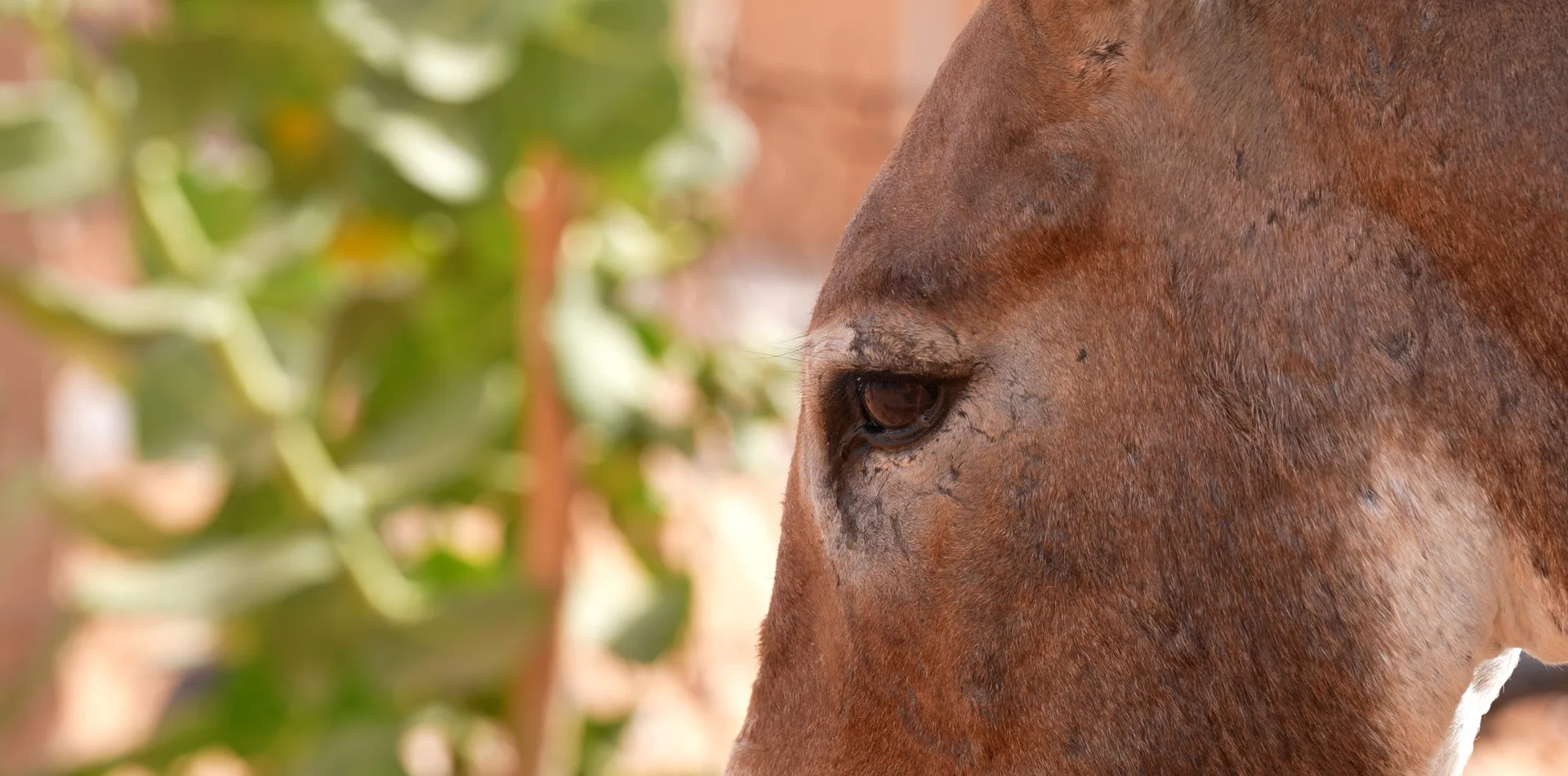
This World Animal Day we’re inviting you to ‘see the world through their eyes’.
Working animals support the livelihoods of millions of people around the world. But the conditions in which they live and work can put their health and welfare at risk.
By seeing the world from their perspective, we can understand the bigger picture: not only an animal’s immediate health and welfare needs, but the conditions that shape their everyday lives.
See the world through their eyes
This World Animal Day our new film gives you the chance to see the world through a working animal's eyes.
Meet Lagdaf, a 13-year-old donkey in Mauritania who works for more than 10 hours a day transporting water through his community, where many people don’t have access to clean, piped water.
Through a combination of footage captured from Lagdaf’s perspective and animation, the film brings you into his daily world – from navigating busy traffic and plastic pollution to working in extreme heat. Watch and share Lagdaf’s story to help more people see the challenges working animals face every day – and why their welfare can’t be overlooked.
Lagdaf's story
A working day is strenuous and exhausting for both Lagdaf and Ahmedou, starting as early as 5:30am and continuing until 10pm, travelling distances as far as 42km per day.
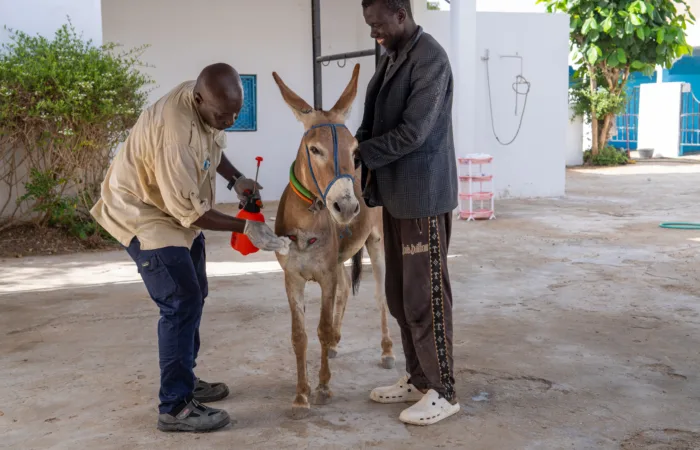
Ahmedou knows how important it is to keep Lagaf in good health, as his donkey is irreplaceable. He regularly takes Lagdaf for check-ups when the Working Animals International vet team visit the water pump to treat working donkeys in the area.
Working animals around the world
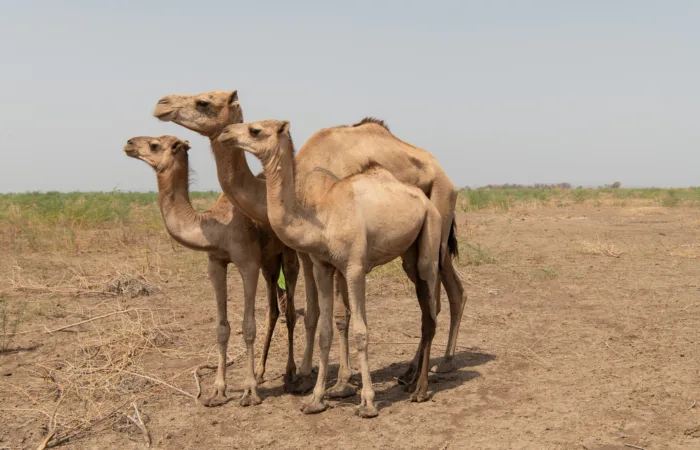
From extreme weather and heavy loads, to busy roads, plastic pollution and untreated injuries, working animals face a range of challenges in their everyday lives.
At Working Animals International, we know that by seeing the world through their eyes we can better understand how best to support their welfare. And that this understanding shapes how we work.
Alongside communities and local partners, we work to improve access to veterinary care, equip owners with the knowledge and skills to care for their animals, and advocate for global policies and systems that recognise and protect working animals. And, should disaster strike, we can be there for the working animals who are often forgotten in times of crisis through our emergency intervention work.
How you can help
Every day, Dima pulls a “gharry” taxi through the dusty roads of rural town of Adami Tulu, Ethiopia. He carries people to markets, schools and hospitals, helping his owner Kedo earn a living for his family.
He can’t say when something hurts.
As his harness rubbed against his skin, painful wounds developed and became infected. With every journey, they became harder to ignore.
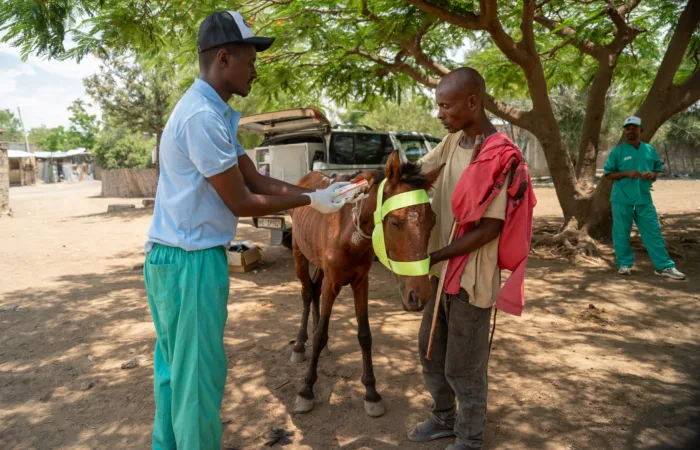
Concerned that Dima’s wounds weren’t healing, Kedo brought him to our mobile clinic, run with local partner Addis Ababa University.
The team cleaned and disinfected his wounds and gave him pain relief. They also advised Kedo on how to treat the wounds at home and how to fit a padded, comfortable harness, protecting Dima from further pain.
But Dima isn’t the only working animal whose pain can go unnoticed. Every day, animals are living and working with injuries and illness they cannot tell us about.
Stay in touch
If you’re interested in learning more about our work to transform the welfare of working animals around the world, you can sign up to receive our emails! We’ll send all the latest working animal news and updates directly to your inbox – including some exclusive content not seen on our website or social media pages.
Discover more ways to get involved

One Health
The One Health approach recognises the important link between animals, people and the environment.

Climate crisis makes life tougher than ever for Naisiae the donkey
This World Animal Day (4 October 2024), we’re shining a light on working animals who are suffering due to the climate crisis – animals like...

Our strategy