International Working Animal Day
International Working Animal Day
What is International Working Animal Day?
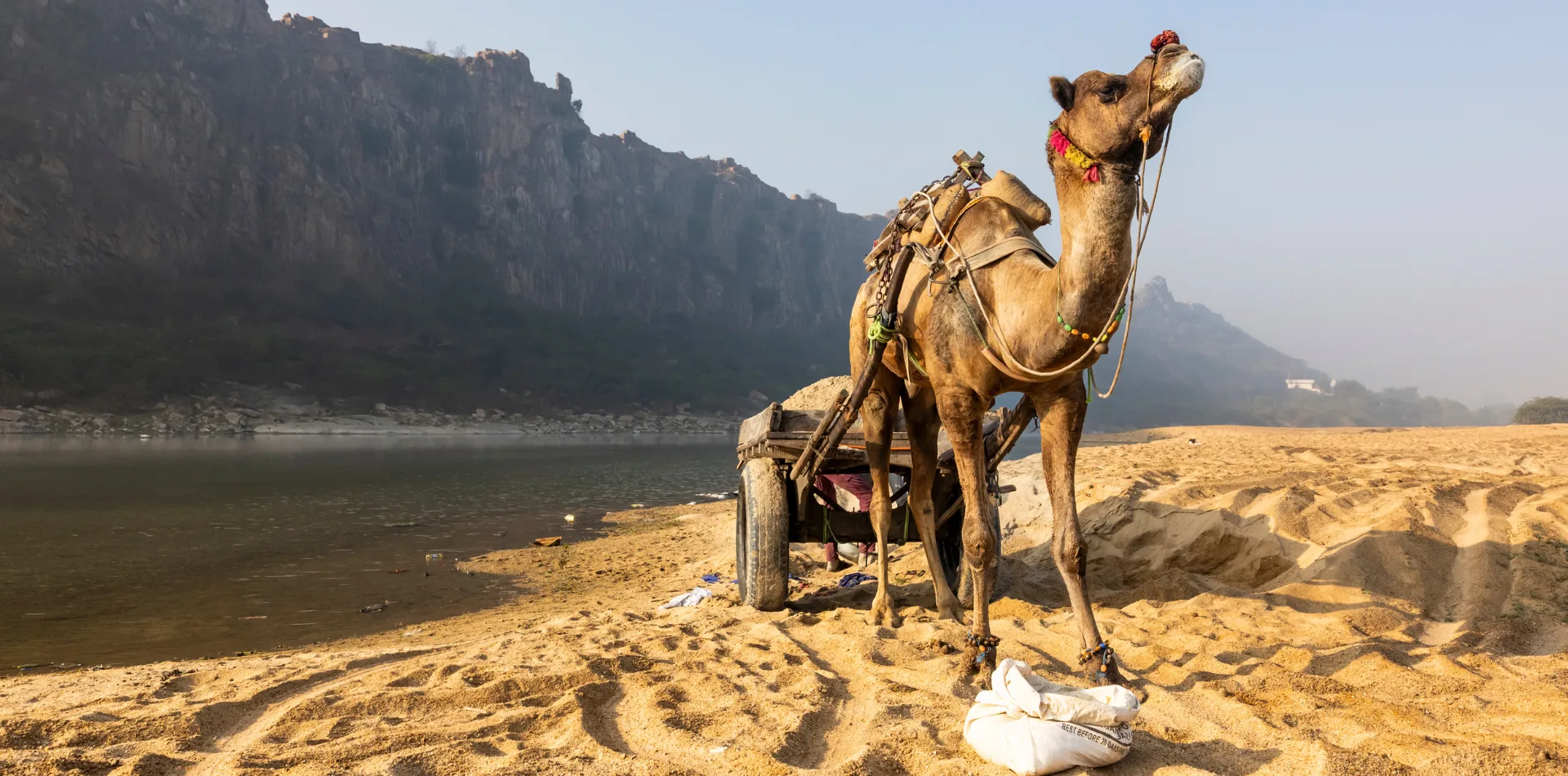
International Working Animal Day is an annual awareness day which takes place on 15 June. It was founded by Working Animals International in 2016 to highlight the vital role played by working donkeys, horses, mules, camels, oxen and other animals across the world, and to ensure they receive the care they deserve.
This year’s (2026) theme is ‘Making working animals impossible to overlook’. Across the world, working animals are the quiet driving force behind countless communities, helping millions to earn a living, access food and water, and reach hospitals and schools. Yet, despite the crucial role they play, their welfare is often not prioritised.
Working Animals International is changing that. Together, we are building a world where working animals are impossible to overlook. We do this by increasing access to essential veterinary services, campaigning for better welfare standards, supporting owners with the knowledge and skills they need to care for their animals, and inspiring schoolchildren – the next generation of working animal owners – to do the same.
This year also marks the 10th anniversary of International Working Animal Day, and ten years of highlighting the invaluable contribution working animals make across the world.
Please join us in making working animals impossible to overlook – today and every day.
Ten years of International Working Animal Day
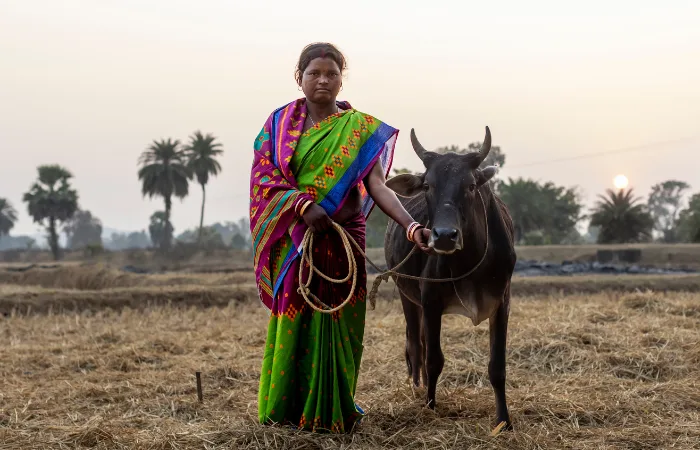
This year marks the 10th anniversary of International Working Animal Day. Over the past decade we’ve worked with communities, partners and policymakers to improve the lives of countless working animals and the communities who depend on them. Together, we’ve responded to emergencies, expanded access to quality veterinary services, influenced policy change and helped ensure working animals receive the recognition they deserve.
Here are just some of the milestones we’ve achieved together:
2018 – Building a more secure future for working animals impacted by drought
After a series of failed rains left thousands of animals at risk of starvation in Turkana, north-west Kenya, we funded the construction of a 110-metre-deep solar-powered borehole to supply water to 4,200 people and 15,076 donkeys, camels and livestock across four villages.
2019 – Expanding our reach in Mauritania
Our third animal health & welfare centre in Mauritania opened in Boghé, expanding access to quality veterinary services, training and support to nearly 15,000 working animals and their owners a year by 2025.
2021 – Supporting working animals at the base of the Semien mountains
We launched a new mobile clinic in Gondar, northern Ethiopia, bringing treatment, medicines and training directly to communities that rely on working horses, donkeys and mules for their livelihoods. Last year alone the clinic was able to support almost 78,000 working animals.
2022 – Providing learning opportunities for the next generation
In close collaboration with the Ministry of Education and the Ministry of the Environment, we launched a programme of Green Schools to engage children in focused learning opportunities connected to working animal welfare and the environment. In 2025, more than 800 lessons were taught, reaching over 7,000 children at more than 130 schools.
2022 – Protecting water buffalo from a deadly disease outbreak
Following a devastating disease outbreak that killed nearly 1,000 water buffalo in Manipur, eastern India, we supported an emergency vaccination programme to help protect animals from this deadly and highly contagious disease.
2023 – Responding to our largest disaster
Following a devastating 6.8-magnitude earthquake in Morocco, we launched the most ambitious emergency response in our charity’s history. Our teams were on the ground providing critical veterinary treatment and emergency feed to working animals. We also provided veterinary support to working animals involved in transporting essential supplies to affected communities after the disasters.
2024 – Providing hope for animals affected by catastrophic landslide
Following a devastating landslide in Kampala, Uganda, many families were forced to flee their homes, leaving behind the working animals they depended on. Through an emergency response project, local partners provided feed, veterinary care and shelter to help animals and their owners recover and relocate safely.
2024 – Helping secure an Africa-wide ban on the donkey skin trade
A historic ban on the donkey skin trade was announced across Africa following years of campaigning with partners including the International Coalition of Working Equids (ICWE). The moratorium will protect millions of donkeys at risk of being slaughtered for ejiao, an ingredient extracted from the collagen in donkey skins and often used in traditional Chinese remedies and beauty products.
2025 – Making working animals visible in Mauritania
Thanks to our lobbying, working animals were included in Mauritania’s national census for the first time in 2024, with the results published in 2025. Our advocacy helped secure this inclusion, ensuring that around 650,000 animals are recognised in future planning and policy decisions.
2026 – Reaching one of the remotest parts of Zimbabwe
The first fixed animal health and welfare centre opened in Tsholotsho, Zimbabwe. The centre provides veterinary care for donkeys and training and support for their owners. There’s also a community training building for workshops and space for children to learn about donkey welfare and the important role they play in their communities.
Impossible to overlook
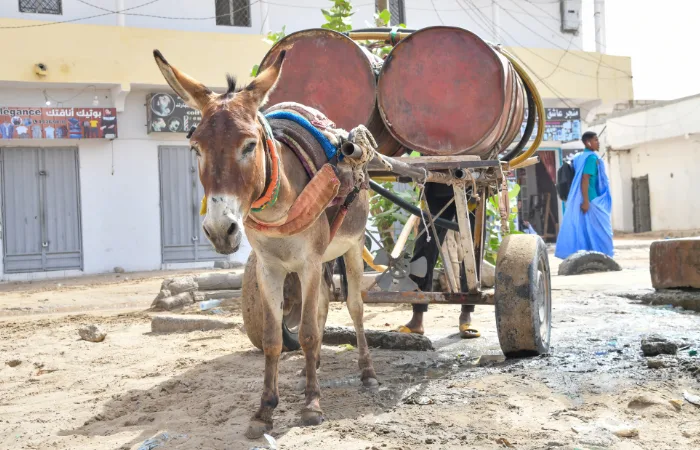
One of the reasons that working animals are often overlooked is because they are missing from national data. When animals are not counted, they can easily be left out of decisions that affect both them and their communities
Including working animals in national censuses is a simple but powerful way for governments to recognise their value and ensure their needs are considered in policy and planning.
Thanks to our advocacy, working animals were included in Mauritania’s national census for the first time in 2025. This milestone means that around 650,000 working animals are now more visible to decision-makers, helping ensure they are no longer overlooked.
This milestone shows what’s possible when working animals are recognised, counted and valued as an essential foundation in building stronger, sustainable communities. It’s one of many steps forward in the movement to improve working animal welfare and make working animals impossible to overlook.
Solve our working animal puzzle!
To celebrate 10 years of International Working Animal Day, we’ve hidden 10 working animals in the below image.
Search through the busy scene to see if you can find them all and discover the essential roles they play every day. Once you’re done, click the ‘answers’ button to see how many you got right!
Can you help working animals in Ethiopia?
In Ethiopia, working horses, donkeys, camels and mules are essential to everyday life. They help families earn an income, transport goods and access vital services. When these animals become sick, entire livelihoods can be put at risk.
That’s why our mobile veterinary clinics travel to remote communities every week. Bringing essential veterinary care, medicines and training directly to rural communities.
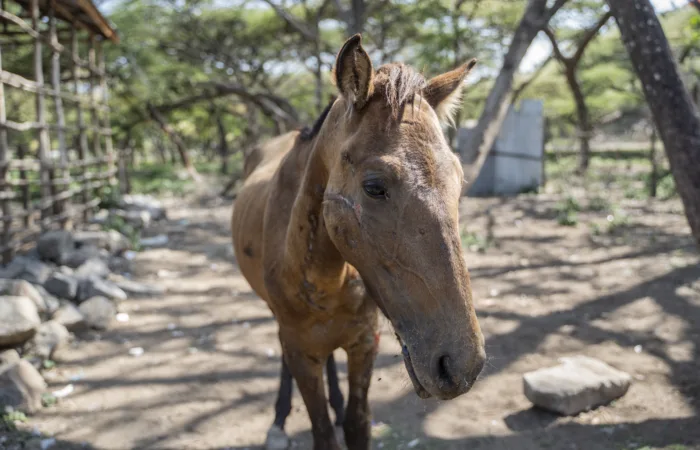
Wako is a working horse who helps his owner earn an income to support his family. The mobile clinic team treated him for epizootic lymphangitis, a highly contagious fungal disease. With treatment, many animals make a full recovery but without it, the disease can be fatal.
Now, as the rainy season risks driving the spread of infection and disease, demand for our services is expected to rise.
Your donation today could help provide lifesaving treatment to working animals faced with this infectious disease.
10 things you should know about working animals
We’ve gathered some of our favourite facts about working animals that we think you should know about. Watch our video to learn more about the animals who help keep their communities moving every day.