For centuries, working animals were our main source of power and they were a familiar part of daily life in Britain’s streets, fields and workplaces. Their ‘horsepower’ was the driving force in agriculture, transport, mining and even warfare. They played a vital role in our economic and social development.
Working animals that were a common sight included plough horses and oxen, pit ponies, carriage and tram horses, dray horses and war horses. Animals were used to transport people and deliver everyday items such as coal, water, milk and food (including bread, meat, fish, fruit and veg). They transported all manner of other goods – such as tar, limestone, sugar, flour, soap, salt etc.
In an age of rapid technological advances, many younger people today would struggle to believe that, even in the 1950s, milk was delivered to British homes by horse-drawn vehicles. In fact, despite the importance of working animals in our history – even throughout the twentieth century – 40 per cent of people in the UK now don’t know what a working animal is!
42 per cent of people in the UK think that fewer than 100 million people in the world rely on working animals for their livelihoods today. In reality, 600 million people are dependent on working animals

Actor Eleanor Tomlinson, who plays Demelza in the Poldark TV series, said:
‘For centuries, horses provided the main form of transport in Britain. In the past, we were almost entirely dependent on these working horses in our daily lives and their ‘horsepower’ was the driving force of mining, agriculture and even warfare.
‘We no longer rely on animals as a source of power and they have now been replaced by replaced by cars, buses, tractors and trains. But, horses, donkeys and other working animals continue to have a vital role in developing countries around the world today. By transporting people, water and goods, they make it possible for millions of the world’s poorest families to earn a small income and put food on the table. Without their working animals, many people would have nothing, and would struggle to survive.
‘Although she doesn’t have any lines, Demelza’s horse – whose real name is Amy – is a central character in the series. In most episodes she can be seen galloping along the Cornish clifftops and beaches, helping Demelza to get around in a hurry and keep Ross out of trouble.’
Working animals were once part of daily life in the iconic locations
These nostalgic images of London and other UK cities show our streets filled with working animals and highlight the stark contrast between the past and modern day.
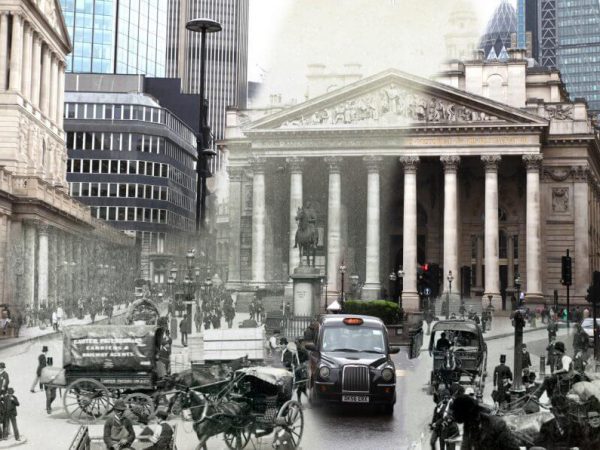
Royal Exchange, London, England, UK. circa 1890’s. Image shot 1890. Exact date unknown.
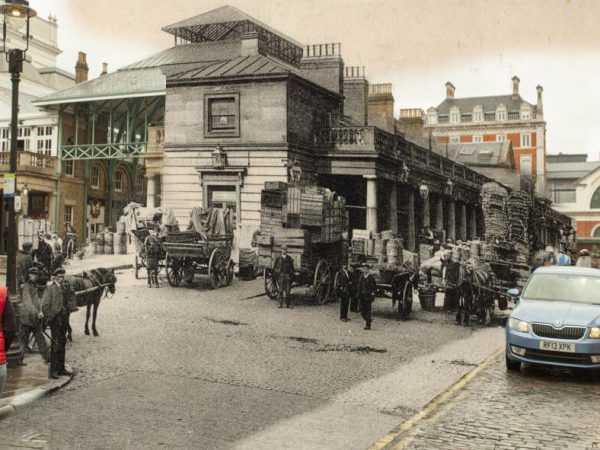
Convent Garden, London
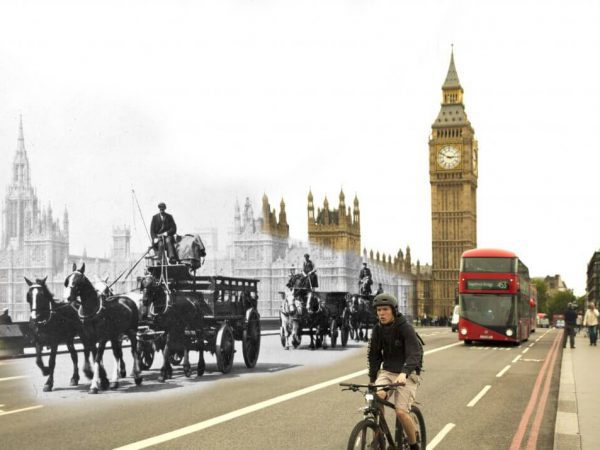
Working animals at Westminster Bridge, London
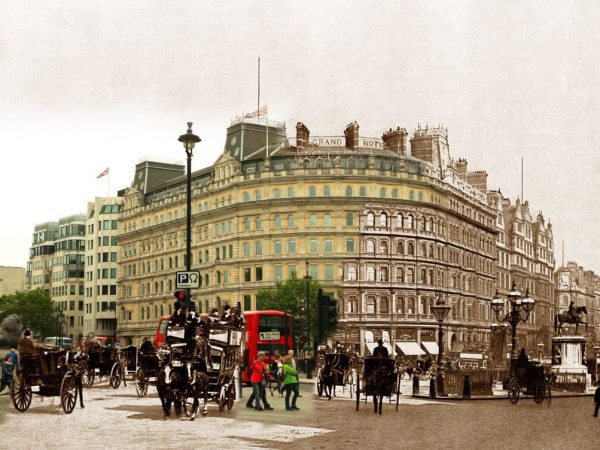
Trafalgar Square, London
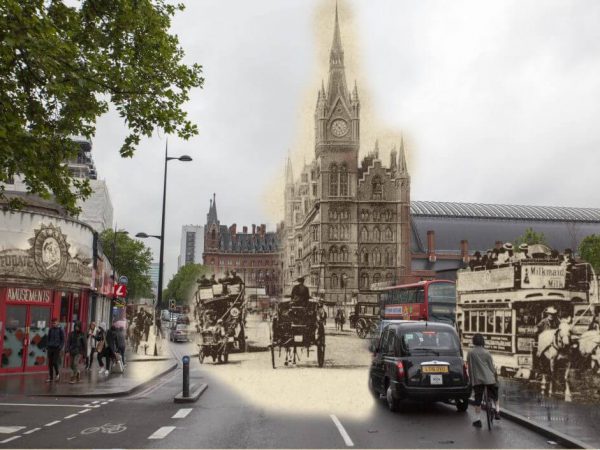
St. Pancras, London
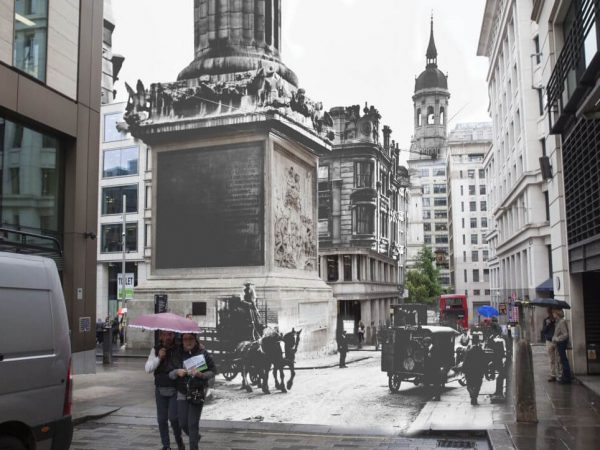
Monument, London
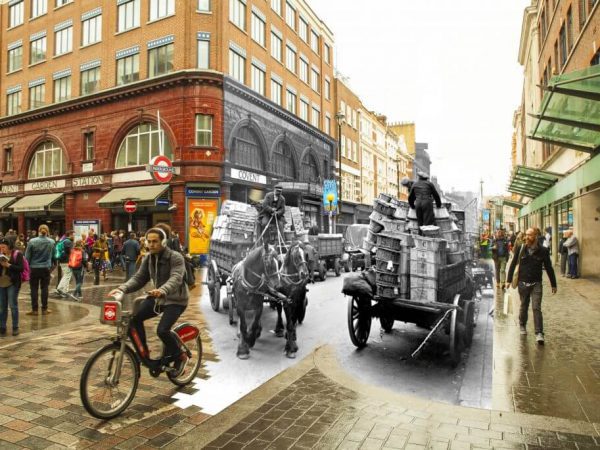
Covent Garden, London
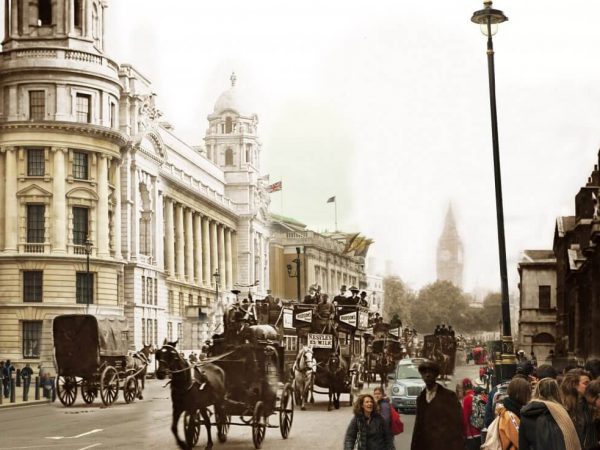
Whitehall, London
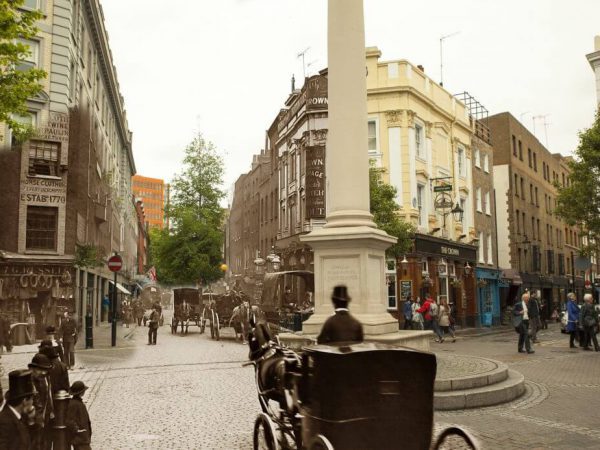
Seven Dials, London
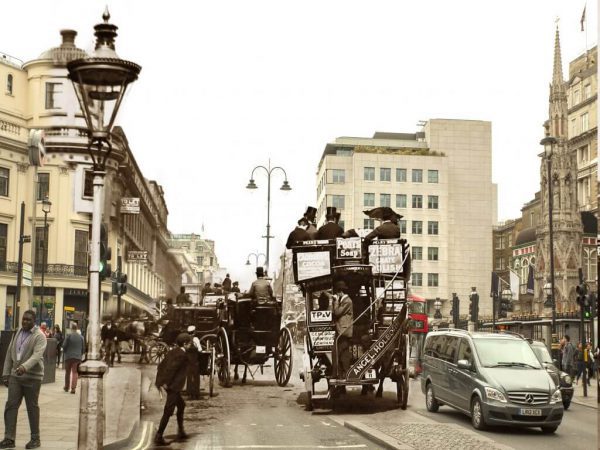
Charing Cross, London
Tottenham Court Road, London
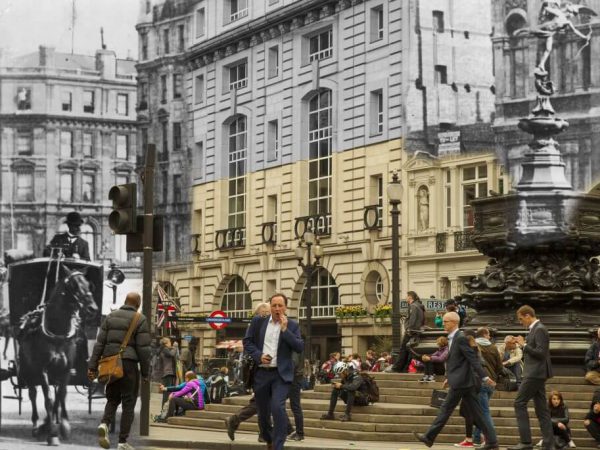
Piccadilly Circus, London
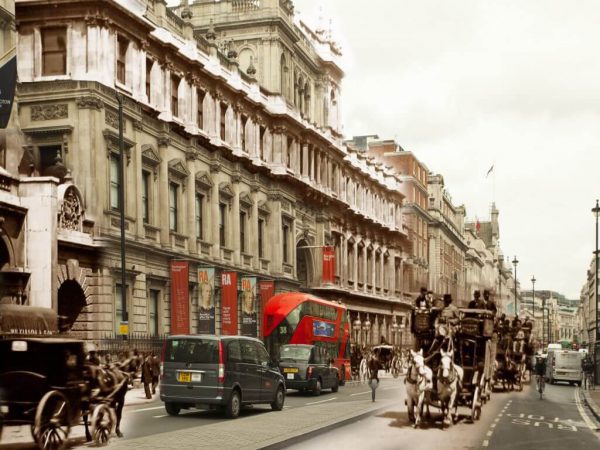
Piccadilly Circus, London
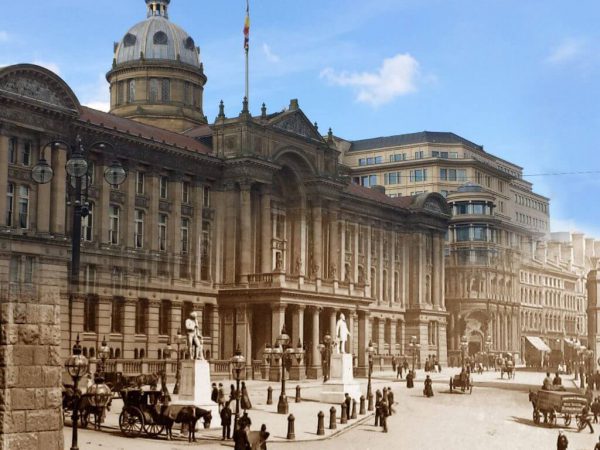
Council House, Birmingham
Canongate Tolbooth, Edinburgh
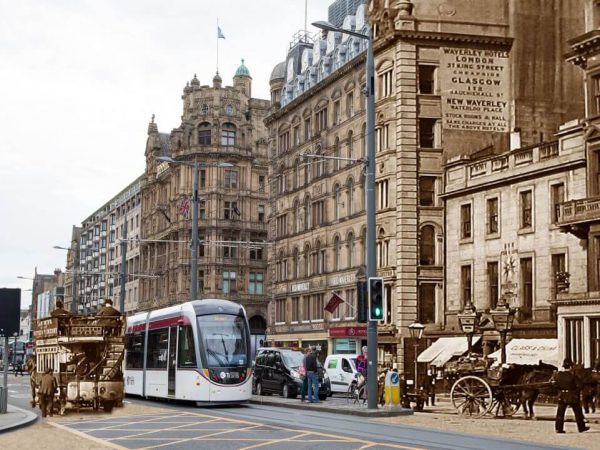
Princes Street, Edinburgh
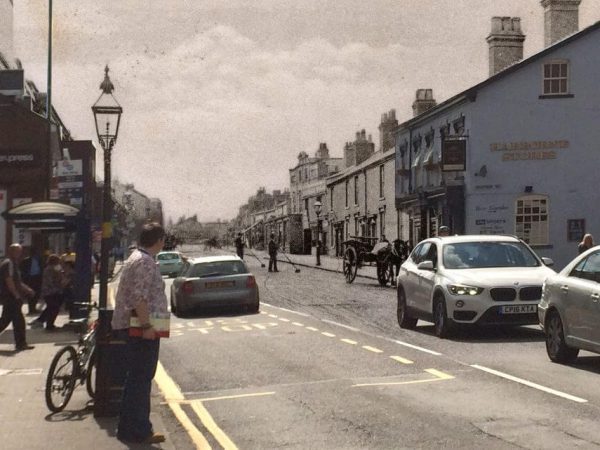
Harbone Highstreet, London
Buchanan Street, Glasgow
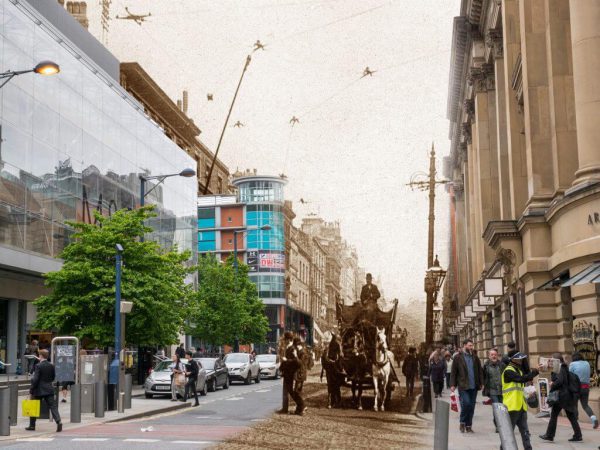
Market Street, Manchester
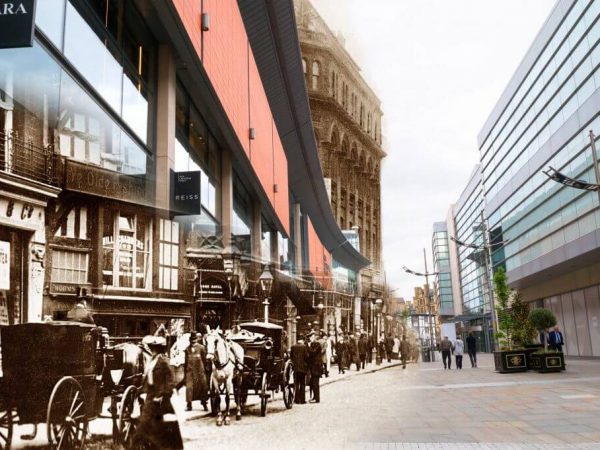
New Cathedral Street Market Place, Manchester
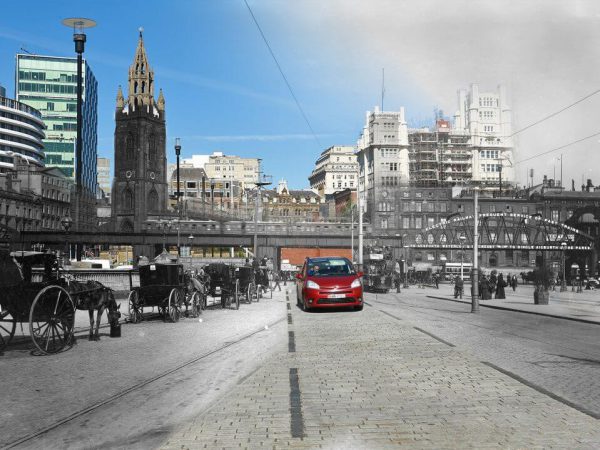
Pierhead, Liverpool
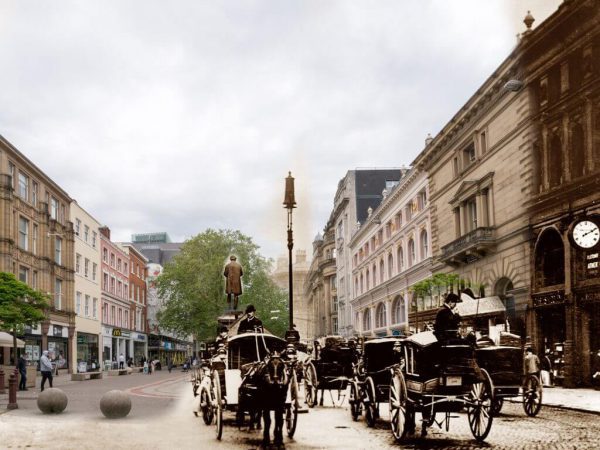
St, Ann's Square, Manchester
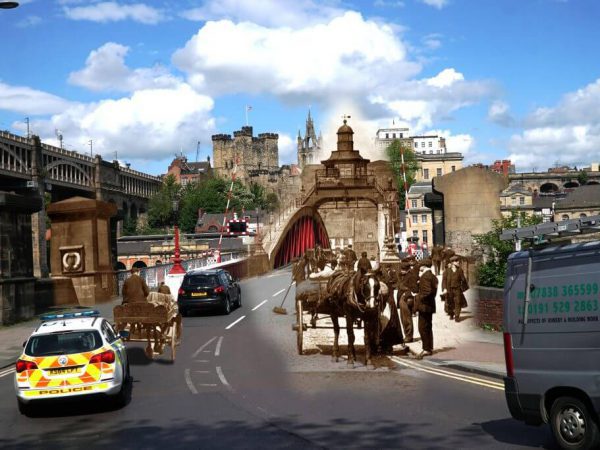
Swingbridge, Manchester
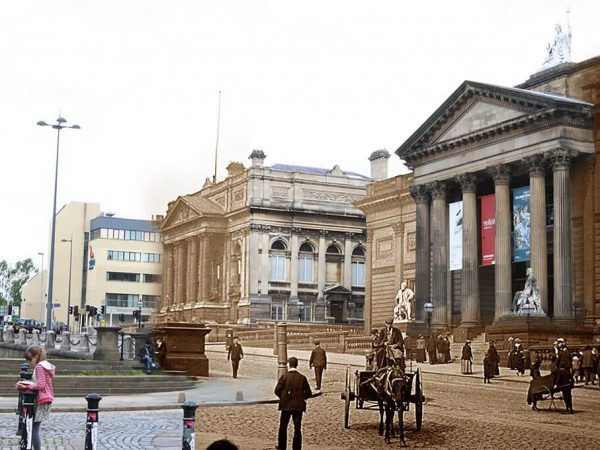
Walker Art Gallery, Liverpool